Investigations
How to Spot a Fake Amazon Discount
An Amazon 'list price' can be fake, stale, or genuine — and none of them tell you if you're getting a deal. Three real examples, and the number that does.
Truffl Editorial · 5 min read · updated Jul 25, 2026

A discount on Amazon tells you how far below a "list price" you're paying — not whether you're getting a deal. That list price is a reference number, and it can mislead you in three different ways: it can be a price the item never charged, a real price that's years out of date, or even the genuine current price — and still tell you nothing useful. The only thing that answers the real question — is now a good time to buy? — is the price history. Here are the three, each with a real product.
One honest note up front: genuinely fabricated anchors are rarer than the internet suggests. In a large sample of products we analyzed, fewer than 1 in 100 carried a list price 1.5× above anything the item had ever actually sold for. The more useful truth is that even a real list price is a poor guide to a good deal.
Key takeaways
- The "% off" is measured against a list price — which may be fake, stale, or real-but-irrelevant.
- A phantom anchor (ZENOTTIC sunglasses): a $59.95 "list" on sunglasses that have never sold above $34.
- A fossil anchor (Sennheiser HD600): $499.95 was real — in 1997. It hasn't come close in five years.
- A real anchor that still misleads (Fjällräven Kanken): $95 is the genuine price, but the "36% off" is permanent — the history, not the badge, shows today's $61 is toward the low end.
- Ignore the strikethrough. Compare the price to the item's own recent history. That's the only honest test.
1. The phantom — a price it never charged
The clearest fake anchor is one the product has never actually sold at. These ZENOTTIC polarized sunglasses — a 21,000-review Amazon best-seller — have carried a $59.95 "list price," the kind of number that turns an ordinary $29 into a "52% off" steal. But look at what they've actually cost:
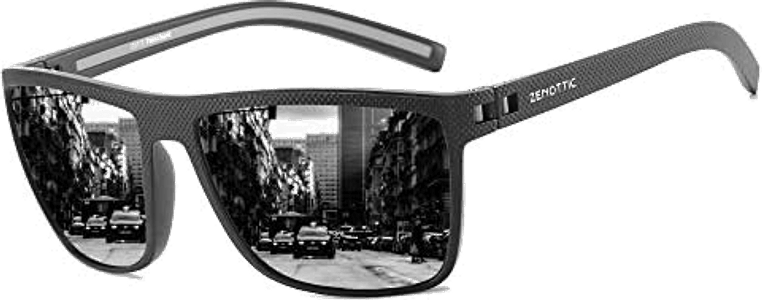
ZENOTTIC Polarized Sunglasses
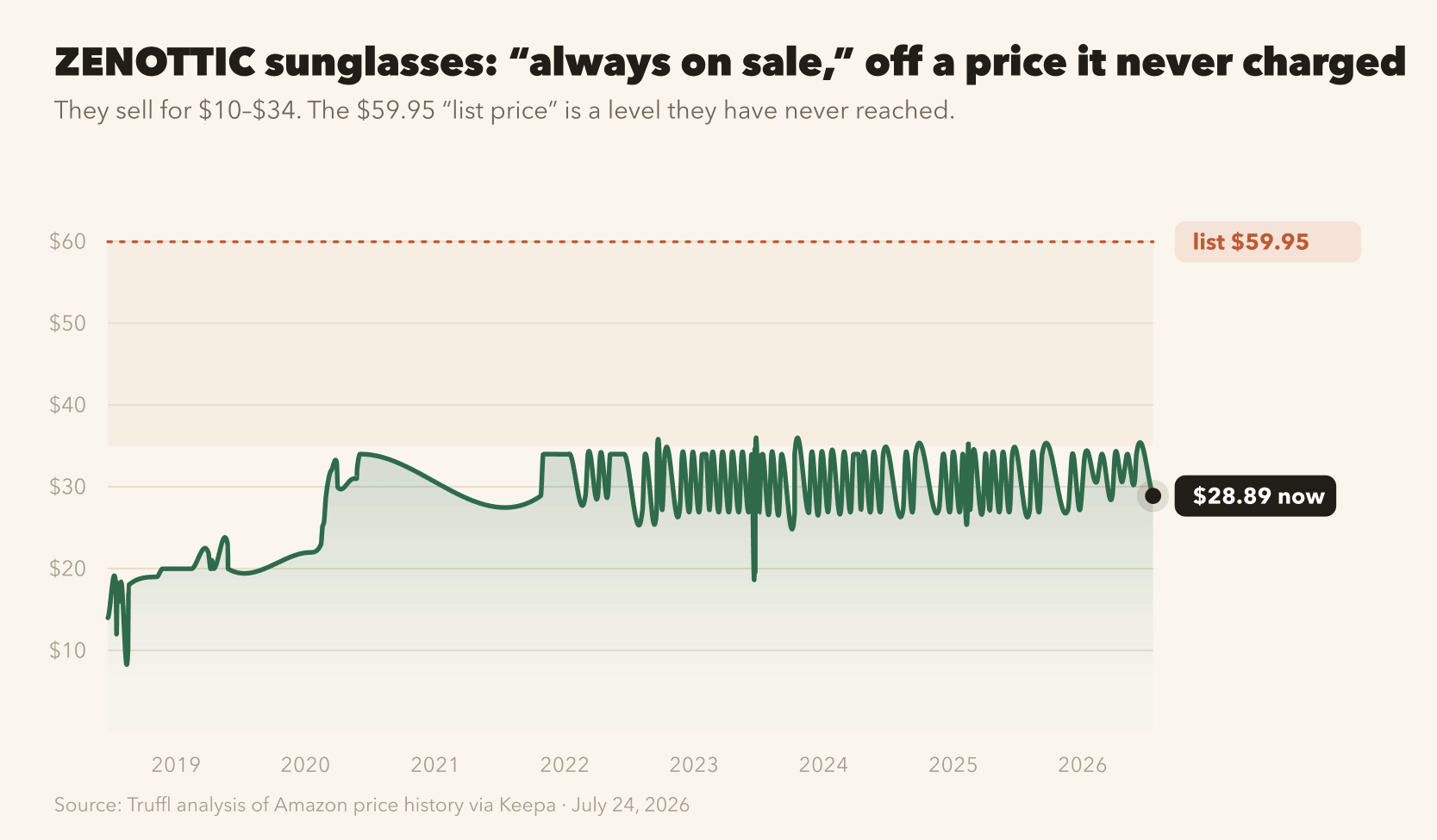
The dashed red line is the $59.95 "list price" — a level these sunglasses have never reached. Source: Truffl analysis of Amazon price history via Keepa, July 24, 2026.
They've bounced between about $10 and $34 for years and have never once touched $59.95. There is no version of these sunglasses that costs $60 — so any discount measured from it is measured from fiction. Amazon might show that strikethrough today, hide it tomorrow, or swap it for a gentler one; what doesn't change is the history. The list price floats above everything the sunglasses have ever really charged — the emptiest kind of discount.

It's at or below its usual price right now — a good moment.
2. The fossil — a real price from another era
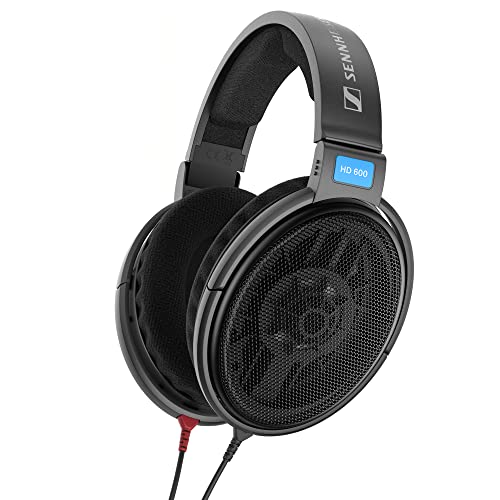
Sometimes the list price is genuine, just decades old. The Sennheiser HD600 — a classic headphone that launched in 1997 — carries a $499.95 list price against a real price of $278.49, a would-be 44% off. And $499.95 was real: it's close to the HD600's original launch price, and it even briefly spiked near $600 during the 2021 shortage.
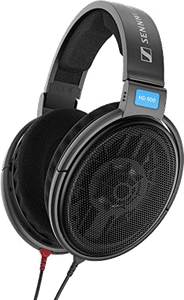
Sennheiser HD600
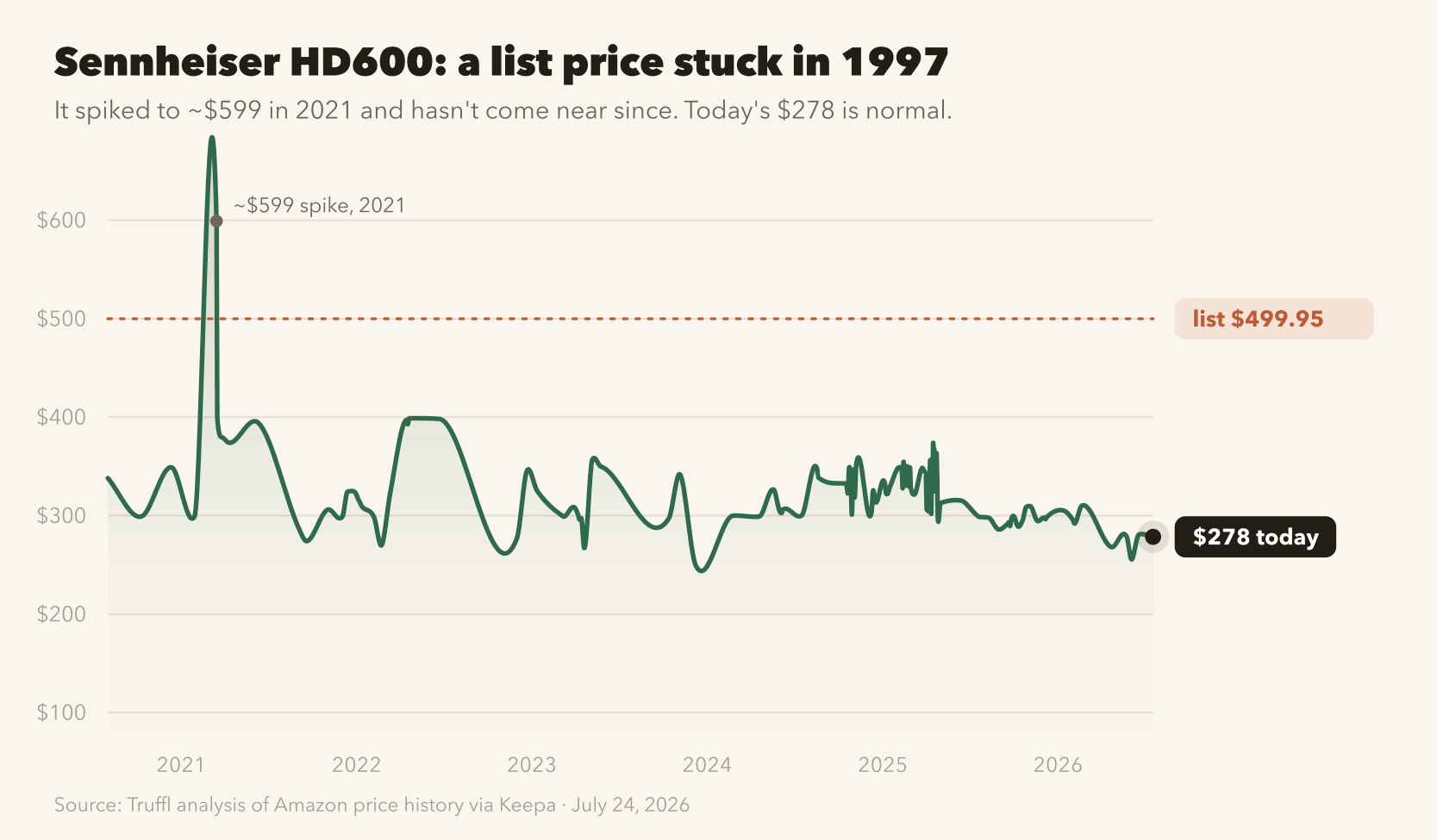
The dashed red line is the $499.95 "list price." The HD600 briefly touched it in 2021 and hasn't approached it since. Source: Truffl analysis of Amazon price history via Keepa, July 24, 2026.
But it hasn't been near $500 in over five years. It usually sells for about $290 and has dipped to $186 this past year, so today's $278.49 is a perfectly normal price. The number isn't fake — it's just a fossil, and the "44% off" measures the distance to a price era that ended long ago. See its price history →
It's at or below its usual price right now — a good moment.
3. The real one that still tells you nothing
Here's the case that trips everyone up. Sometimes the list price is completely legitimate — the current, honest manufacturer price. The Fjällräven Kanken shows a $95 list and sells for $60.99 — 36% off. And that $95 is real: the listed price has climbed $80 → $90 → $95 over the years, tracking Fjällräven's genuine price increases, for the ordinary reasons prices go up.
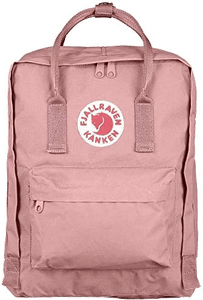
Fjällräven Kånken (Classic)
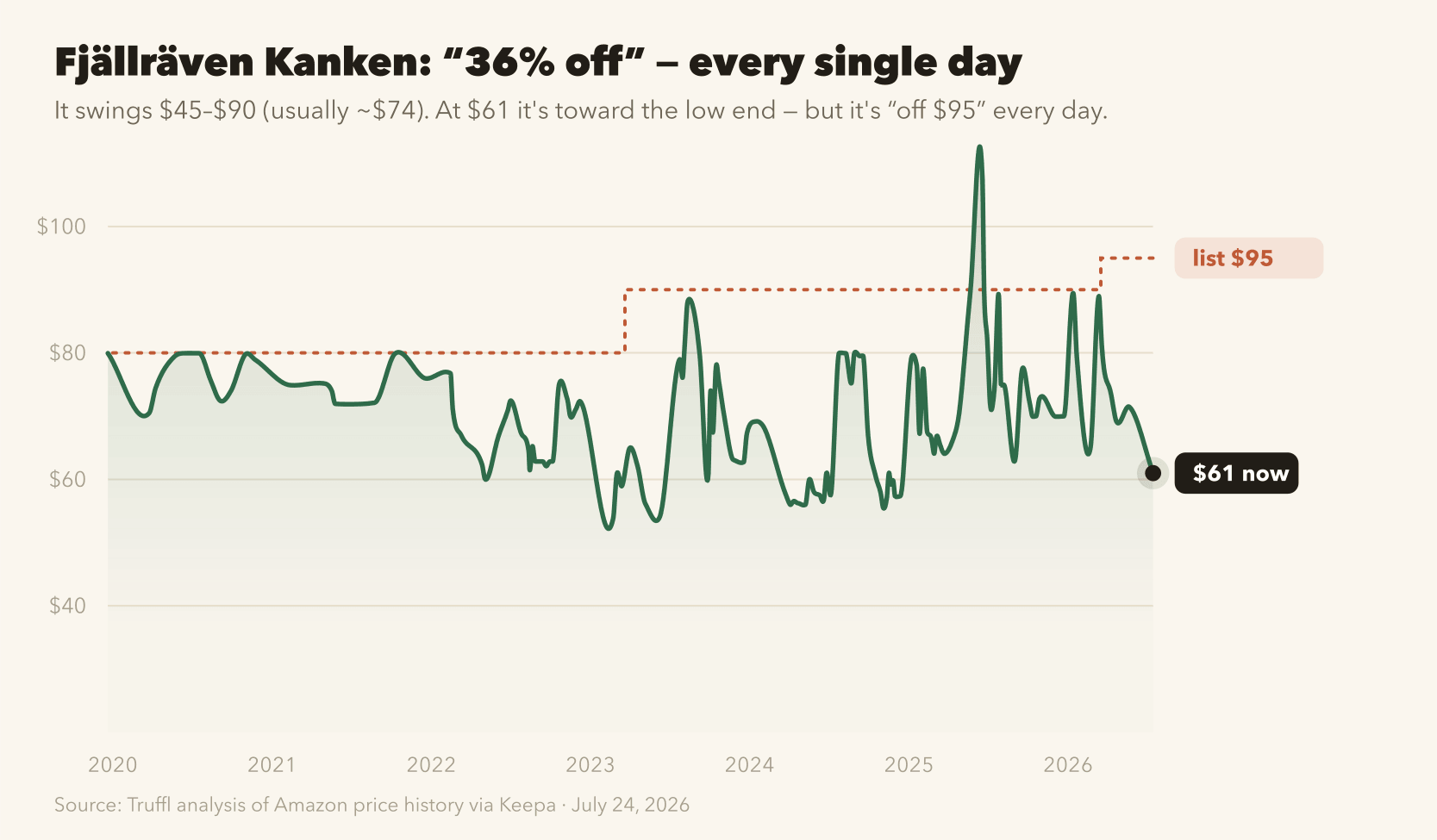
Fjällräven really did raise the Kanken's price to ~$95. But the bag still sells for ~$60 here. Source: Truffl analysis of Amazon price history via Keepa, July 24, 2026.
So this discount is honest. It's also permanent: the Kanken is "36% off $95" essentially every day, because it always sells in the $60s–$70s while the list sits at $95. A discount that never changes isn't news — it's just the price. What the badge can't tell you is the part that matters. Over the past year the bag has swung between $45 and $90, usually around $74 — so today's $60.99 is actually toward the low end, a genuinely decent moment to buy. The "36% off" said nothing about that; the price history said all of it. See the Kanken's history →

It's at or below its usual price right now — a good moment.
But doesn't Amazon verify these prices?
It has rules, and it mostly follows them. By Amazon's own policy, a List Price is the manufacturer's suggested price, shown only if the item "was purchased by customers on Amazon or offered by other retailers at or above the List Price" recently. The Typical Price it sometimes shows instead is the 90-day median actually paid.
But notice what that guarantees: that the number was real somewhere, at some point — not that it's what you'd pay, not that it's current, and not that today's price is a good one. The HD600's $499.95 and the Kanken's $95 clear that bar honestly — they're real prices. The ZENOTTIC's $59.95 is the kind the rule is meant to catch: a price the item never reached. So the takeaway cuts both ways — a permitted list price can be useless, and an impermissible one means Amazon's own rule is the thing being bent. Neither helps you decide.
The one number that gives it away
Skip the percentage entirely. Look at what the item usually costs over the past year and what it drops to at its lowest. If today's price is near — or above — the usual price, there's no deal, whatever the badge says. Phantom, fossil, or genuine, the list price never answers that; the price history always does. And the strikethrough itself is unreliable in a way the history isn't — Amazon shows it, hides it, and swaps it from one day to the next. The price history stays put.
How to check any product in ten seconds
No spreadsheet required. Before you trust a discount, ask one thing: what has this actually cost over the past year? If today's price lands near or above the usual price, the percentage is theatre — the real question is whether it's about to drop.
That's the whole job Truffl does for you — it reads the real Amazon price history, ignores the list price, and tells you whether now is a good time to buy. Paste any product and see its real price →
We may earn a small commission if you buy through our links — it never changes the call.